Go back to homepage
Our thinking
  • Our work
  • Our studio
  • Get in touch

How to give feedback

How to give feedbackHow to give feedback
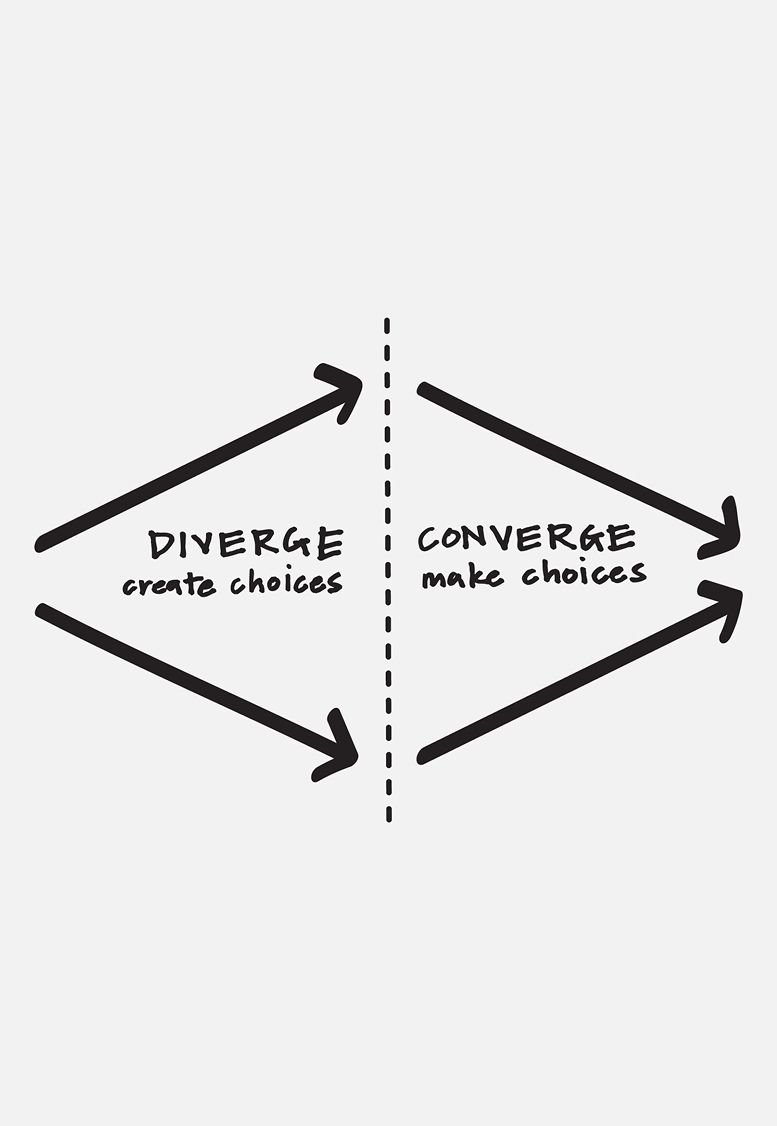
Divergent and convergent thinking diagram showing how teams create choices and make choices.

DIVERGENT AND CONVERGENT THINKING © IDEO

10 AUGUST, 2026
SHARE

At Tone, clients work directly with creatives. This arrangement reduces the possibility of feedback being misinterpreted or miscommunicated.

Feedback is a gift when it is considered and actionable. The best feedback will help our team produce stronger, more effective, and impactful creative work.

The Concept Stage:

At the start of a project, we are diverging - exploring and generating a wide range of ideas and possibilities. We all need to have an open mind to receive these new ideas, as humans instinctively find new things uncomfortable.

When viewing concepts, consider the wider context and what the brand (or campaign) is trying to achieve, and key audiences who will be interacting with the work. During this stage, your feedback should focus on the big picture and what you find exciting or great about the work. We want to hear what you feel works, and what doesn't.

An abstract image with a blue brush stroke, two colorful leaves, and a feather-like structure.

We like to hear gut reactions straight after a presentation. It's important to listen to your first response, and we need to hear it. But we also need a chance to respond and explain why we made our design and messaging decisions.

A graphic composition with a bird perched on colorful leaves against yellow brush strokes.

Be descriptive so we can understand what you're feeling or seeing. Try to avoid vague statements like "just keep exploring" or "it doesn't work". Try to explain why you feel the way you feel.

Creative development and refinement

After the concept stage, we are converging and making choices. Here is where we'd like you to focus on the finer but still important details. Avoid the temptation to solve or offer us detailed solutions at this stage. Instead, explain why something doesn't quite work, or ask for recommendations on how something might be resolved. For example, instead of asking us to "move the logo to the bottom right and make it bigger", try explaining that you are concerned the logo isn't prominent enough to build brand recognition, and request ways to increase its visibility or presence.

Here are our top tips for providing helpful and actionable feedback:

  • Avoid the temptation to give overly detailed feedback in the early (diverging) stage of a project.

  • If something feels wrong or way off, raise it early. And request a feedback call to discuss it with the team.

  • Sweeping, big picture changes in the later (converging) stages should be avoided. They can often derail progress and necessitate a shift in deadlines.

  • Assign one person responsible for resolving conflicting or contradictory stakeholder feedback, and providing a clear direction to our team.

We care about your cause and our work. We will always strive for a positive and collaborative working relationship, and we will do our best to help guide you through this process. Just reach out if you have any questions during the process.

Vanessa McCarthy is the Founder and Director at Tone Studio and specialises in branding and campaigns. If you have an upcoming project you’d like to discuss, please get in touch.

News & Events

How to give feedback

How to give feedbackHow to give feedback

At Tone, clients work directly with creatives. This arrangement reduces the possibility of feedback being misinterpreted or miscommunicated.

Feedback is a gift when it is considered and actionable. The best feedback will help our team produce stronger, more effective, and impactful creative work.

The Concept Stage:

At the start of a project, we are diverging - exploring and generating a wide range of ideas and possibilities. We all need to have an open mind to receive these new ideas, as humans instinctively find new things uncomfortable.

When viewing concepts, consider the wider context and what the brand (or campaign) is trying to achieve, and key audiences who will be interacting with the work. During this stage, your feedback should focus on the big picture and what you find exciting or great about the work. We want to hear what you feel works, and what doesn't.

An abstract image with a blue brush stroke, two colorful leaves, and a feather-like structure.

We like to hear gut reactions straight after a presentation. It's important to listen to your first response, and we need to hear it. But we also need a chance to respond and explain why we made our design and messaging decisions.

A graphic composition with a bird perched on colorful leaves against yellow brush strokes.

Be descriptive so we can understand what you're feeling or seeing. Try to avoid vague statements like "just keep exploring" or "it doesn't work". Try to explain why you feel the way you feel.

Creative development and refinement

After the concept stage, we are converging and making choices. Here is where we'd like you to focus on the finer but still important details. Avoid the temptation to solve or offer us detailed solutions at this stage. Instead, explain why something doesn't quite work, or ask for recommendations on how something might be resolved. For example, instead of asking us to "move the logo to the bottom right and make it bigger", try explaining that you are concerned the logo isn't prominent enough to build brand recognition, and request ways to increase its visibility or presence.

Here are our top tips for providing helpful and actionable feedback:

  • Avoid the temptation to give overly detailed feedback in the early (diverging) stage of a project.

  • If something feels wrong or way off, raise it early. And request a feedback call to discuss it with the team.

  • Sweeping, big picture changes in the later (converging) stages should be avoided. They can often derail progress and necessitate a shift in deadlines.

  • Assign one person responsible for resolving conflicting or contradictory stakeholder feedback, and providing a clear direction to our team.

We care about your cause and our work. We will always strive for a positive and collaborative working relationship, and we will do our best to help guide you through this process. Just reach out if you have any questions during the process.

Vanessa McCarthy is the Founder and Director at Tone Studio and specialises in branding and campaigns. If you have an upcoming project you’d like to discuss, please get in touch.

Divergent and convergent thinking diagram showing how teams create choices and make choices.

DIVERGENT AND CONVERGENT THINKING © IDEO

10 AUGUST, 2026
SHARE
News & Events
You might also like:
© Tone Studio 2014–2026
Follow us on
  • Our work
  • Our studio
  • Get in touch